The April 25 edition of Greasy Tracks featured vocalists from the United Kingdom with an emphasis on the career of Paul Rodgers. Mambo Sons guitarist Tom Guerra co-hosted the program.
f you missed it, here’s the archive, while a playlist is here.
U.K. rock and blues vocalists of the 1960s and 1970s were deeply shaped by American blues traditions, drawing inspiration from artists like Muddy Waters, Willie Dixon and Howlin’ Wolf, very similar to how such guitarists as the “Three Kings” — Albert King, Freddie King and B.B. King — influenced scores of guitarists across Europe, especially Great Britain.
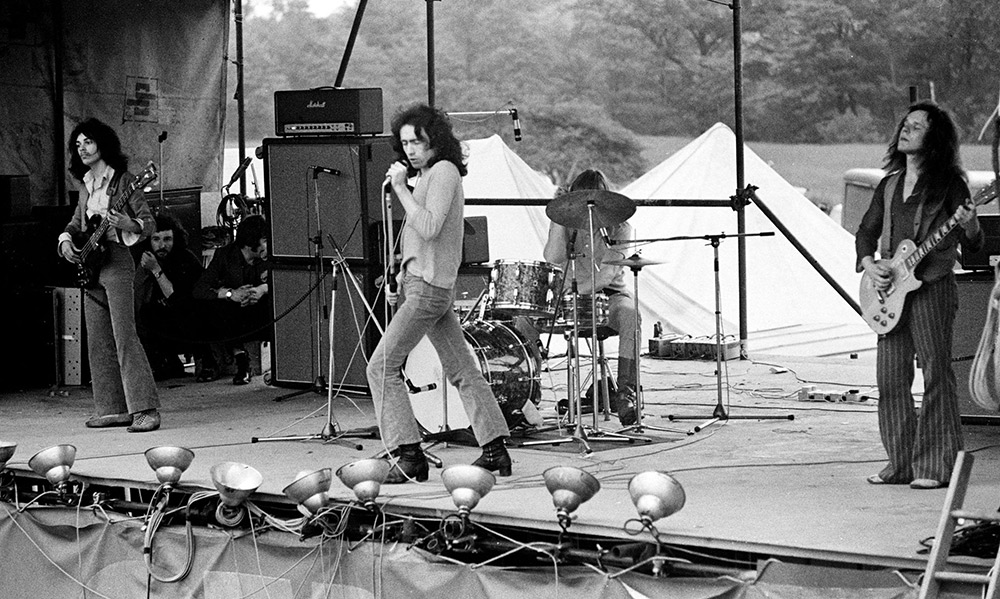
Free Live: Free in concert in 1970 (from left) Andy Fraser, Paul Rodgers, Simon Kirke and Paul Kosoff. Heavily influenced by American blues styles, the group formed in 1968 and broke up in 1973 at which time Rodgers and Kirke formed Bad Company. (Gijsbert Hanekroot photo)
Singers such as Eric Burdon, Mick Jagger, Robert Plant and Rod Stewart studied these styles closely, adopting the raw emotion, phrasing, and vocal grit that defined blues music and many U.K. bands covered material by U.S blues players. Then there were cases of outright thievery going on by outfits like Led Zeppelin who often didn’t give credit for the material they “made their own.”
Rodgers is a powerful blues-rock vocalist and songwriter, best known for his work in Free, Bad Company, solo projects and even a stint in Queen.
Often, U.K. groups blended these influences with British sensibilities, creating a distinct sound that fueled the British Invasion. This transatlantic exchange not only revived interest in American blues but also transformed it, as UK vocalists reinterpreted its themes for new audiences and helped popularize the genre worldwide.
Guerra is a blues-rock guitarist and writer whose work has appeared in Vintage Guitar magazine and other publications. He’s made numerous appearances on Greasy Tracks, the last one being on a program spotlighting Rory Gallagher in 2024.
The April 18 edition of Greasy Tracks featured a three-hour feature on Max Creek to mark the band’s 55th anniversary.
If you missed it, here’s the archive, while a playlist is here.
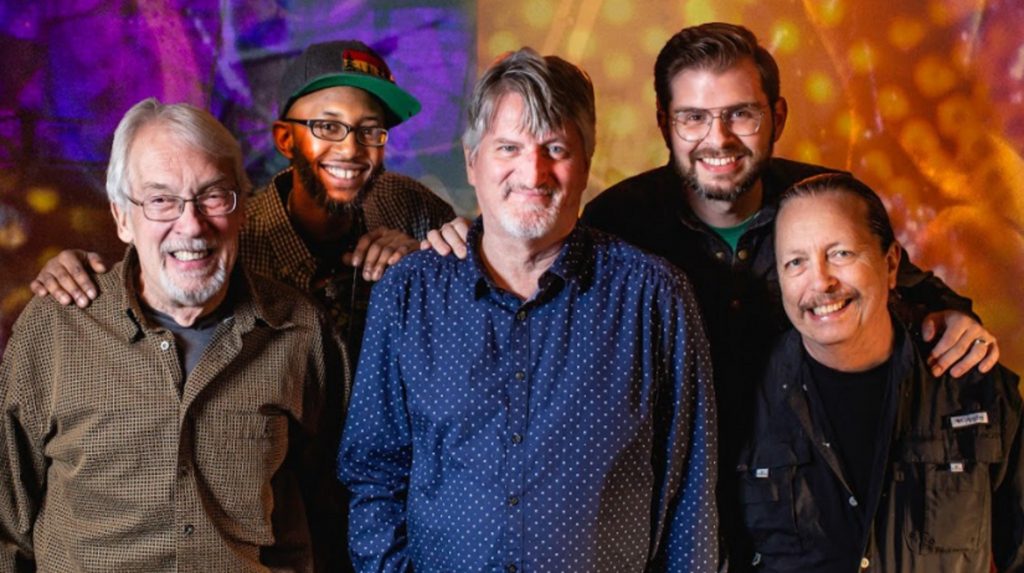
Still At It: Max Creek marks 55 years together in 2026. (From left) Mark Mercier, Jamemurrell Stanley, Scott Murawski, Bill Carbone and John Rider.
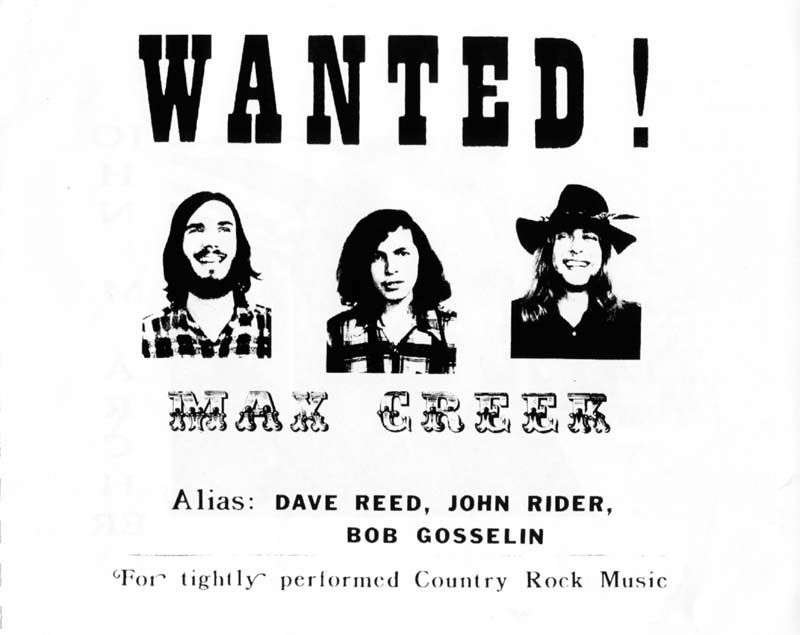
Best known as one of the earliest groups of the “jam band” genre, Creek’s roots can be traced to country music as the band got its start as a quartet in 1971: bassist John Rider, guitarist Dave Reed and drummer Bob Gosselin, augmented, albeit briefly, by an accordion player.
The humble beginnings of the group — heavily influenced by the Nitty Gritty Dirt Band and The Byrds — would go through a number of personnel changes and musical styles over time, yet still maintain many characteristics of those formative early years.
Although never known for their studio work — Max Creek released a handful of solid albums — the band forged a legacy as a live act with a substantial repertoire of original material and tantalizing covers.
Rider along with guitarist Scott Murawski and keyboardist Mark Mercier proved to be formidable composers, especially in the 1970s and 80s when, according to Murawski, crafting songs became especially competitive between the members.
Oddly enough, early on Murawski was focusing on becoming a trumpet player. Rider and Reed were also trumpet players — when Reed, who was the then-15-year-old Murawski’s music teacher, asked him to sit in with Creek in 1972 after hearing him play guitar.
The Creek-as-a quartet-again only lasted a few months as the underage Murawski was kicked out of the Rocking Horse Parlor — a Hartford club the group regularly played — for drinking a beer on stage.
As fate would have it, Murawski would be back in the band in 1973, returning shortly after Mercier, once a roommate of Rider’s at the Hartt School of Music, was hurriedly drafted by Rider to fill in for Reed who was sidelined by acute appendicitis ahead of some holiday shows late that year.
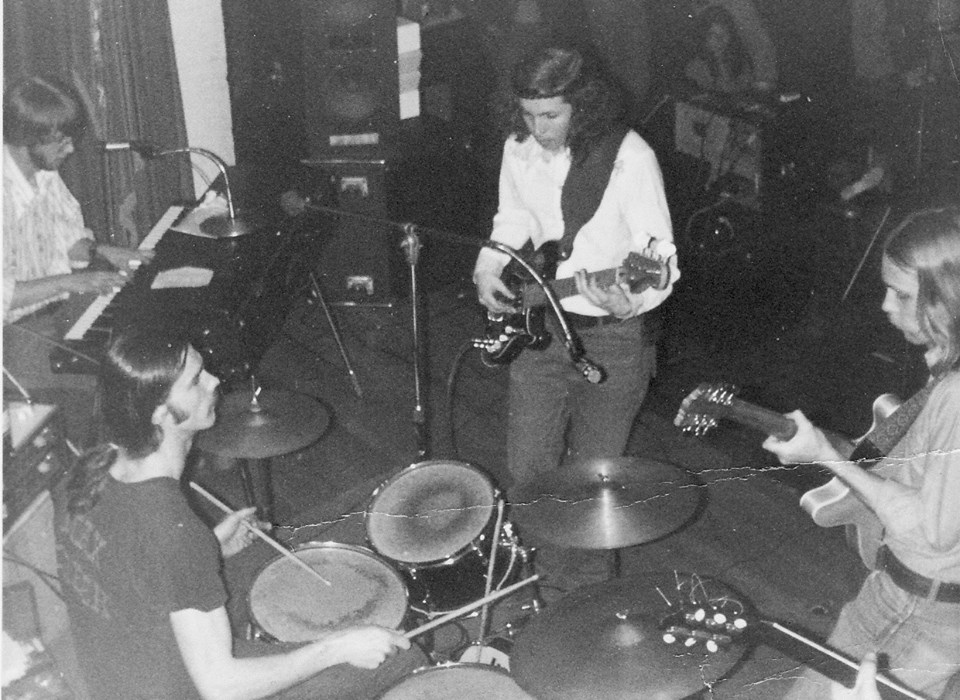
Early Days: Max Creek in concert with Mark Mercier, John Rider, Dave Reed and Bob Gosselin (clockwise from left)
Stylistic changes were afoot as the band’s direction took to a more improvisational approach with less country and more acid rock filling the bulk of the band’s live sets.
This created unrest at times in the band and Reed opted to pursue a solo career as Rider, Mercier, Murawski and Gosselin honed their chops, gaining a growing following throughout the New England/New York region and expanding their reach as a live act.
In 1976, vocalist Amy “Barefoot” Fazzano, joined the band — she had been a waitress at one of the clubs Creek played and usually sang while doing post-concert bathroom cleaning.
A year later, Creek put out their self-titled debut studio album — pressing 1,000 copies of their self-released LP — which featured all original compositions minus “Big Boat” — a bouncy re-arrangement of Willie Dixon’s “Tell That Woman” — which remains in the band’s sets to this day.
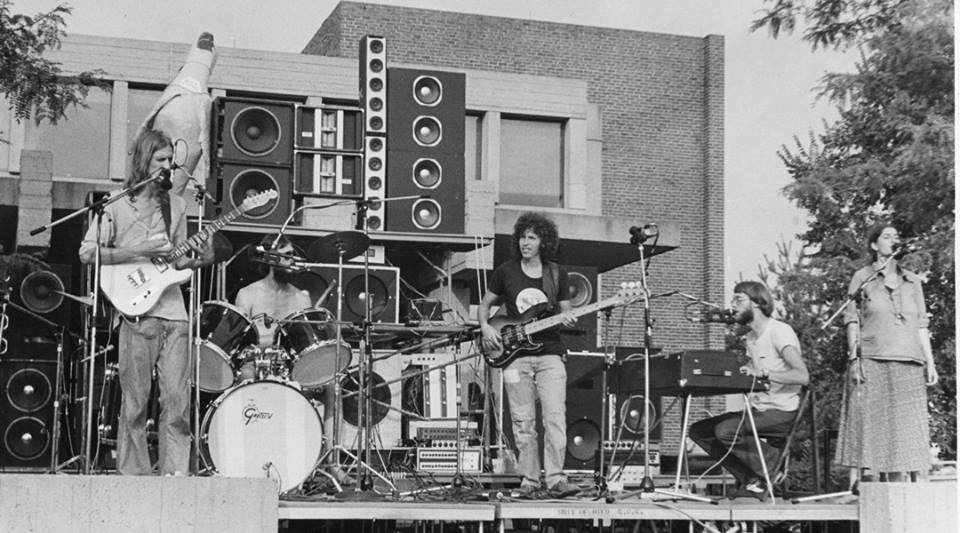
Music To Dine By: Max Creek plays the University of Hartford picnic, July 31, 1977.
In 1979, percussionist Rob Fried joined the fold, providing a fuller sound as he alternated playing a wide array of percussion and a traditional trap set alongside Gosselin. A year later, the band’s second studio album, Rainbow (Wranger Records) came out.
The 1980s were the busiest years for the band when it came to playing live shows with 1982 proving to be the peak as the band logged 241 gigs that year.
The band recorded a three-night run of shows in June 1982 at Cellblock Eleven in Hartford and soon after released Drink The Stars (Wranger Records), a double album packaged with a poster and notes in a nicely designed box set.
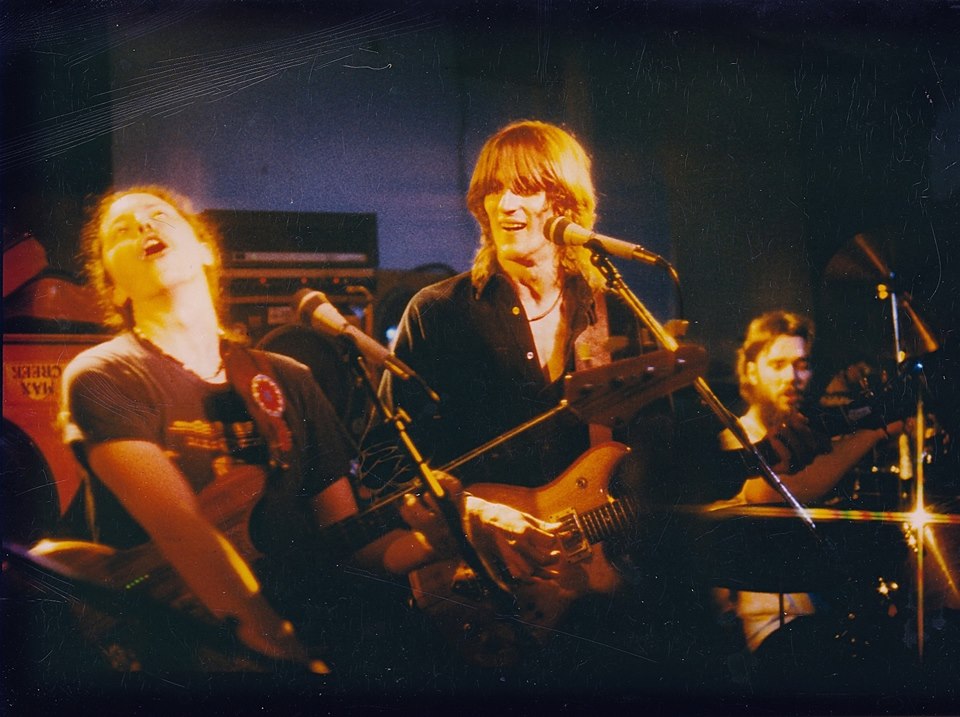
Busy Decade: The 1980s proved to be extremely busy for Max Creek, shown here on stage at Mad Murphy’s Cafe in Hartford with (from left) John Rider, Scott Murawski and Bob Gosselin.
A handful of Max Creek shows were aired live on WRTC so there’s a chance a track or two from one of those performances could show up on this feature.
In 2017, a four-part, 11-hour special on Creek aired on WRTC, featuring interviews with current and past members of the band. Click for Part 1, Part 2, Part 3 and Part 4.
Fazzano left the band in 1983, but would often sit in during annual anniversary shows. Gosselin exited in 1985 and was replaced by Greg DeGuglielmo. This line-up recorded a pair of studio albums, Windows (Relix) in 1986 and MCMXC (Wranger Records) in 1990.
In 1991, DeGuglielmo was replaced by Greg Vasso who would do two spells with the band, the first ending in 1996 before he returned in for a second go-around 2004-2011.
Scott Allshouse, who went to Creek shows as a high schooler in the 1990s, joined in 1996 and would partner with Vasso in the dual drummer format as Vasso returned in 2004 to take the place of Fried who left the band. Fried passed away in 2006 at age 55.
In 1998, Creek recorded a pair of shows at the Webster Theater in Hartford for their live offering, Spring Water. Their New Year’s Eve gig at the Connecticut Expo Center in 1999 was also recorded and later released.
The Allshouse-Vasso partnership gave way to Creek’s current backline of drummer Bill Carbone and percussionist Jamemurrell Stanley who continue to handily carry on Max Creek’s rich timekeeping tradition.
Max Creek performs at the Simsbury Arts Festival, July 29, 1979.
The April 11 edition of Greasy Tracks featured the first of a two-part spotlight on Spirit.
If you missed it, here’s the archive, while a playlist is here.
There was an interview with archivist Mick Skidmore who is trustee of the Randy Craig Wolfe Trust and has overseen the release of numerous Spirit- and Randy California-related albums, in many cases remastering archival nuggets buried in the Spirit audio vault.
Wolfe — best known as Randy California, one of the founders of Spirit — was an innovative guitarist who had earlier played with Jimi Hendrix in his band, Jimmy James and the Blue Flames. It was Hendrix who gave him the name “California” to differentiate him from bassist Randy Palmer whom he nicknamed “Randy Texas.”
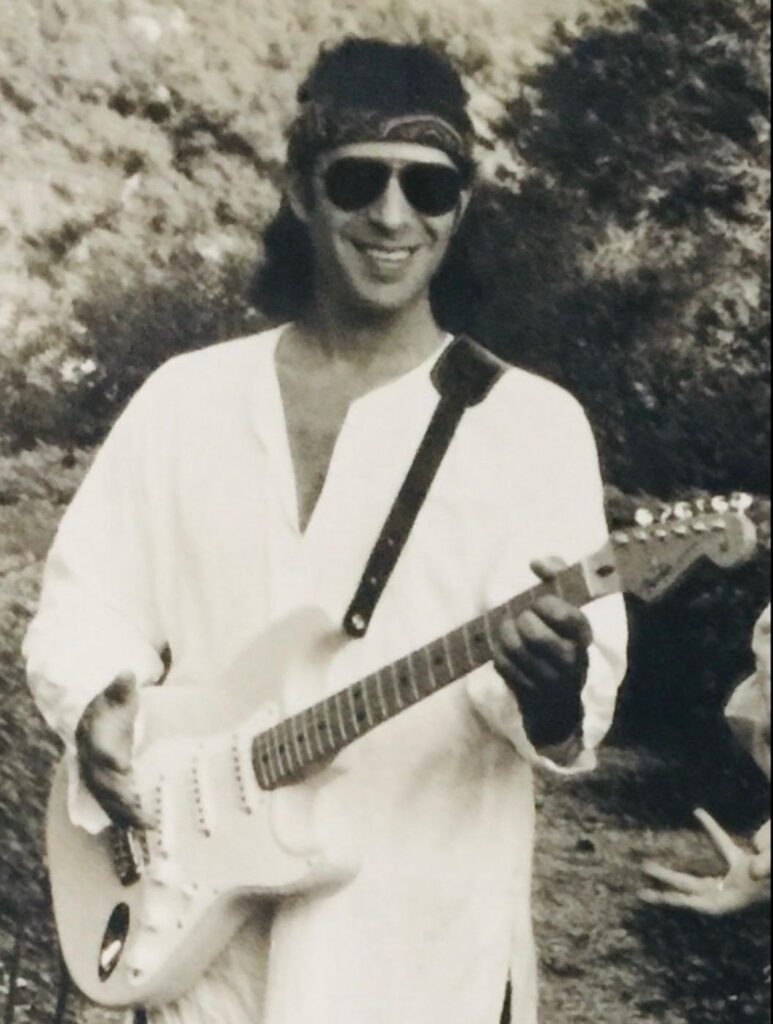
Randy California in a 1991 promo photo (Bob Birk photo)
He formed the group with bassist Mark Andes and vocalist/keyboardist Jay Ferguson in 1967. The pair had played with him in the Red Roosters. They brought in Wolfe’s stepfather, drummer Ed Cassidy and keyboardist John Locke who were also heavily into jazz, compared to Andes and Ferguson who were, according to Andes, “valley boys who were into surf and rock music.”
Best known for their 1968 single “I Got A Line On You” which went to No. 25 in the U.S. charts, the band merged rock, jazz and psychedelia — essentially progressive rock before the genre gained popularity in the early 1970s.
Between 1968-70, the band released four albums, including their self-titled debut, The Family That Plays Together, Clear and The Twelve Dreams of Dr. Sardonicus — which would be their only gold album.
The music for the two-part feature will be from the post-Dr. Sardonicus era when Spirit would go through a number of personnel changes as California and Cassidy remained the only holdovers from the original line-up.
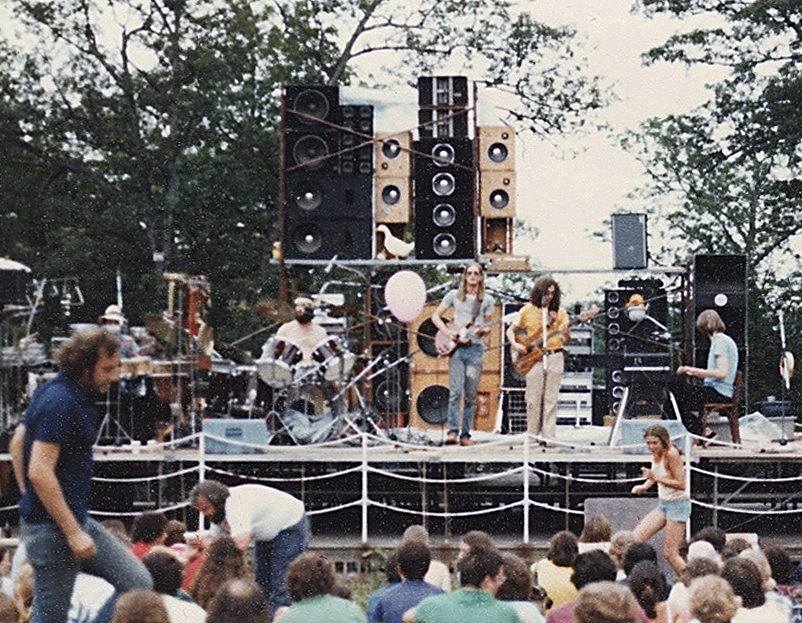
Spirit in concert: (from left) Randy California, Jay Ferguson and Mark Andes with Ed Cassidy on drums.
We’ll be going deep into the Spirit catalog from the mid-1970s through California’s final studio effort, California Blues in 1996.
There was an interesting mix of studio material, culled from such albums as Spirit of ’76, Son of America, Sea Dream, The Euro-American Years and Tent of Miracles as well as live offerings from Two Sides of a Rainbow – Live at the Rainbow, London 1978 and Live At Mile Square Park.
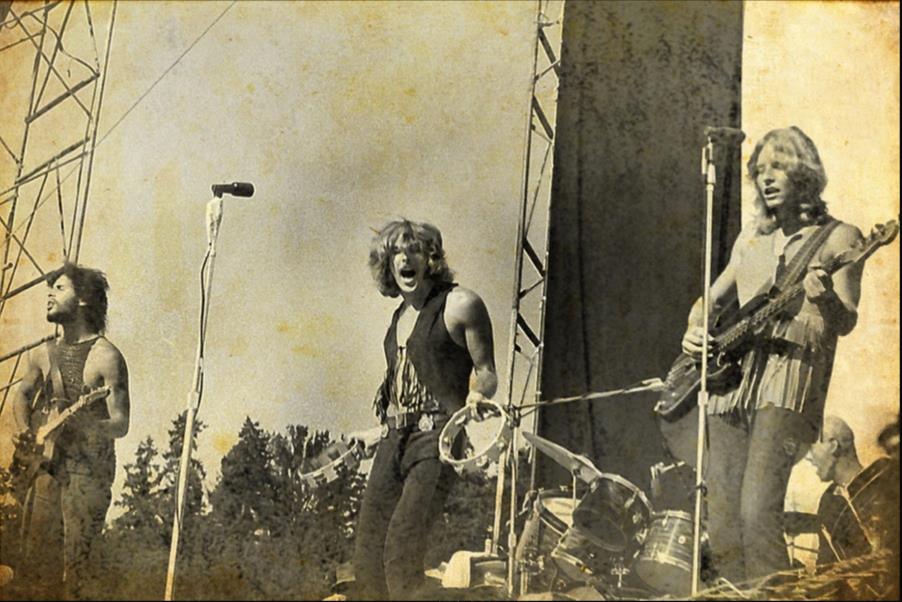
Randy California on stage with Sprit in 1970. (Jorgen Angel photo)
There would be a handful of half-hearted Spirit reunions over the years and the California-Cassidy band would continue to record and tour until California’s tragic death at the age of 45 in 1997 when he drowned while saving his son, Quinn, from a riptide off of Molokai, Hawaii.
The second part of the feature is slated to air in May at a date to be determined.
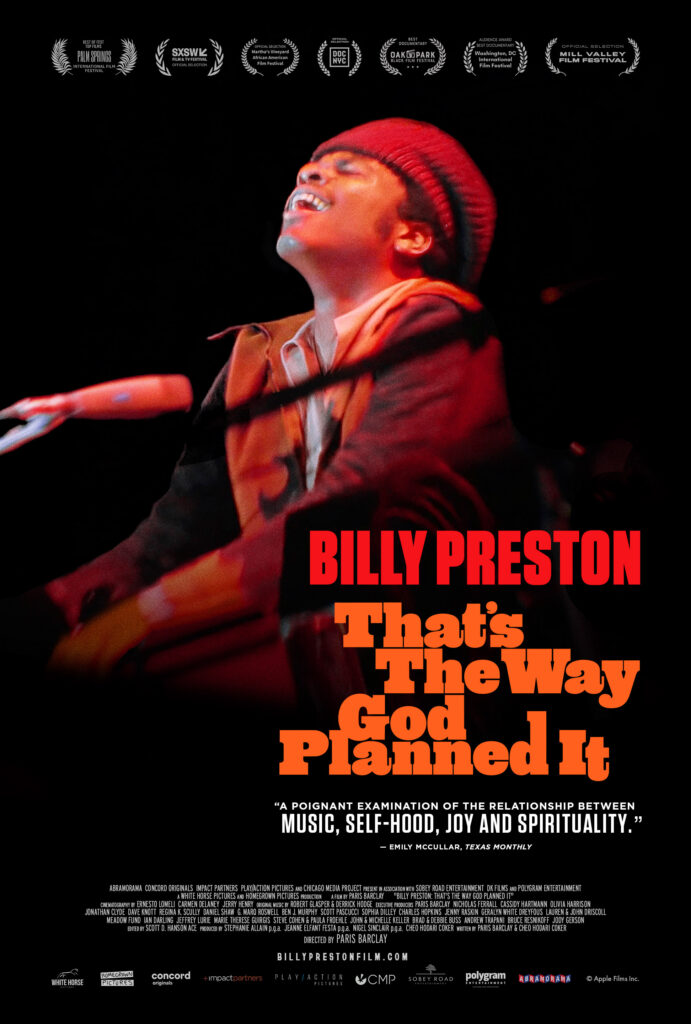
The March 14 edition of Greasy Tracks featured a special presentation on the career of the enigmatic Billy Preston.
If you missed it, here’s the archive, while a playlist is here.
While he was known as the “Fifth Beatle” and played with a veritable who’s who in the music world, Preston was a self-taught prodigy steeped in the gospel music he grew up with in church.
In addition to music from across Preston’s illustrious career, there were interviews with Paris Barclay who directed That’s The Way God Planned It and lead producers Jeanne Elfant Festa and Stephanie Allain.
The Feb. 21 edition of Greasy Tracks featured an aural trip down memory lane as we traced the history of the Flying Burrito Brothers and the advent of country rock.
If you missed it, here’s the archive, while a playlist is here.
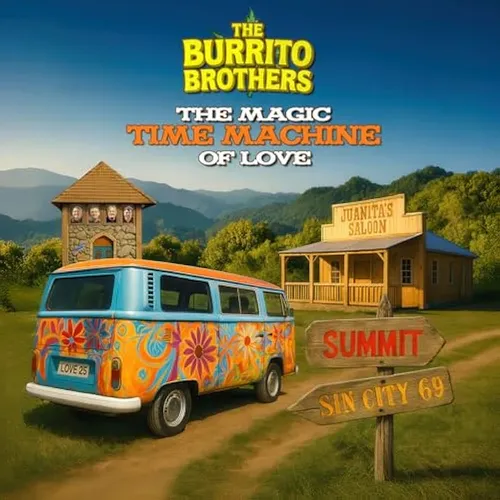
There was an interview with lead vocalist/keyboardist Chris James who is part of the modern-era Burrito Brothers’ line-up with Tony Paoletta (pedal steel), Peter Young (drums) and Steve Allen (guitar/vocals).
The band recently released The Magic Time Machine Of Love(TLAK) which includes appearances by alums of the original Flying Burrito Brothers: Jon Corneal (drums) and Ian Dunlop (bass) as well as contributions by Al Perkins (pedal steel) and Bob Hatter (guitar).
The collection of 12 tracks — plus two tracks featuring excerpts from a 1972 Gram Parsons interview — is a mix of originals, interesting covers and two archival Burrito Brothers songs not written by the current members.
The two constant characteristics of the band — no matter what name they go by — is personnel changes over the years and being true to their cosmic country rock roots.
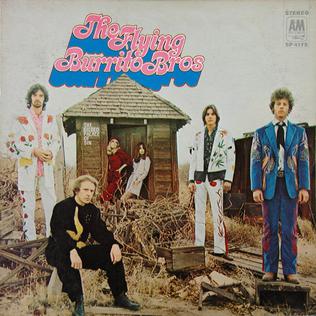
The Flying Burrito Brothers trace their roots to 1967 when Dunlop and Mickey Gauvin (drums) — who were part of the International Submarine Band (ISB) with Parsons — formed the group. The initial line-up never recorded. Upon leaving the ISB, Parsons did a brief stint with The Byrds and was on the legendary Sweetheart of the Rodeo album in 1968.
Parsons left The Byrds late in the summer of 1968 and multi-instrumentalist Chris Hillman would follow shortly thereafter. After Dunlop and Gauvin allowed Parsons to use the Flying Burrito Brothers name, Parsons formed the “classic” lineup along with Hillman, “Sneaky” Pete Kleinow (pedal steel) and Chris Ethridge (bass).
Blending country and rock with a tad of psychedelia, they became one of the pioneers of country rock and their debut, The Gilded Palace of Sin — which was released in early 1969 — remains one of the most influential albums of the genre.
Parsons left the band in 1970, opting to go solo, but the group, despite frequent personnel changes, continued to record and tour.
The latest effort is an adventurous cosmic-Americana collection of tracks bridging the past and present.
Now based in Nashville, the group selected some curious covers, including a country-soul take on “A Whiter Shade of Pale,” Hamilton Camp’s “Pride of Man” — closer to Quicksilver Messenger Service than Gordon Lightfoot — The Beatles’ “What Goes On, ” Jesse Colin Young’s “Peace Song” and a tasteful version of Timothy B. Schmit’s “Right Where We Belong.”
Embracing modern studio technology, the Burritos used AI-extracted vocals from Parsons on “Pride of Man” and a Burritos archival track, “More and More.”
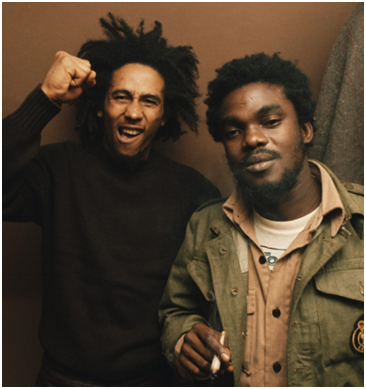
Marley — the most prolific and best-known musician and songwriter to come out of Jamaica — passed away in 1981 at 36. Bassist Aston “Family Man” Barrett, a key member of Marley’s backing band, the Wailers, passed away on Feb. 3, 2024, at the age of 77.
With Marley serving as the primary catalyst, the duo are considered reggae music ambassadors who helped cultivate acceptance, growth and popularity during the subsequent explosion of reggae music on the international music scene in the 1970s.
Both Marley and Barrett’s legacies shine bright as prime examples of how a humble musician’s mastery and message shaped and changed the music world, influencing generations of musicians across the globe.
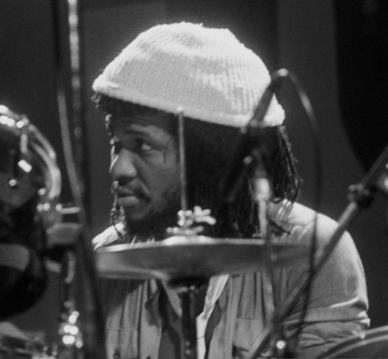
While Dunbar’s career began in the late 1960s, it formally took off once he met Shakespeare who recommended Dunbar to producer Bunny Lee as a possible drummer for the Aggrovators, the house band Lee used for recording sessions.
In addition to Dunbar and Shakespeare, numerous musicians did spells with the Aggrovators before embarking on solo careers, including future Bob Marley band leader bassist Aston Barrett, keyboardist Jackie Mittoo and horn man Tommy McCook.
Following their time with Lee, Dunbar and Shakespeare continued working together, in the studio and on stage. They formed Taxi Records in 1980.
Dunbar, who had 13 Grammy Award nominations and won two Grammy Awards, also worked with Lee Scratch Perry’s band, the Upsetters and with the Revolutionaries, the house band for Channel One studio boss Joseph Hoo Kim.
Dunbar played drums on several noteworthy tracks produced by Perry, including “Night Doctor,” Junior Murvin’s “Police and Thieves” and Bob Marley & the Wailers’ “Punky Reggae Party.”
Dunbar and Shakespeare played on Bob Dylan’s “Infidels” and “Empire Burlesque. The duo also appeared on recording by Grace Jones, Herbie Hancock, Joe Cocker, Serge Gainsbourg and the Rolling Stones.
The Jan. 23 edition of Crashing The Ether paid tribute to Toad’s Place with two hours of music recorded at the legendary New Haven music venue which marks its 50th anniversary this year.
Opening its doors in 1975 as a restaurant, Toad’s was transformed into a live music club in 1976 and has been at the center of New Haven’s music scene for five decades.
Some of the industry’s biggest names have graced the stage at the York Street location — known as the place “where the legends play” — including The Rolling Stones, Billy Joel, David Bowie, Bob Dylan, James Taylor and most recently, Foo Fighters.
Bands that are today household names, such as U2 and REM, played Toad’s on their earliest tours, long before gaining international superstardom.
Some of the artists for the feature included, King Crimson, Ian Hunter with Mick Ronson, Nick Lowe with Paul Carrack, Little Feat, Rickie Lee Jones, Richard Thompson and Living Colour.
Emmy Award winners Andy Billman and Joe Franco have collaborated on an independently produced documentary about Toad’s — Where Legends Play — which could be released this year.
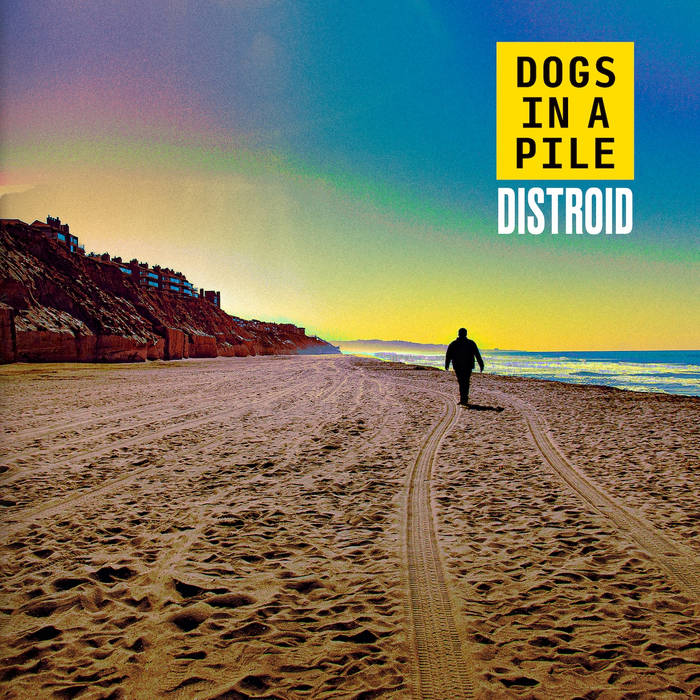
The Jan. 24 edition of Greasy Tracks celebrated the career of Bob Weir and there was an interview with Dogs In A Pile guitarist Brian Murray who discussed the band’s recent release, Destroid.
If you missed it, here’s the archive, while a playlist is here.
In true jam-band style, The Asbury Park, N.J.-based Dogs in a Pile bring a mix of rock, funk and jazz with flashes of psychedelia.
Weir, best known as one of the founding members of the Grateful Dead, recently passed away at the age of 78.